A Beginner’s Guide to Choosing Wood for Furniture
This editorial explores how to select the right wood for your furniture projects, balancing durability, aesthetics, climate considerations, and finishing options. Written in a People magazine-inspired voice, this piece blends practical guidance with storytelling about artisans and timeless craftsmanship.
Published September 22, 2026
Why Wood Type Matters in Furniture
Wood is more than a material; it’s a language. Different species speak in tones, grain patterns, and personalities—from the restrained elegance of maple to the rich warmth of walnut. For beginners, the goal is to pair a wood’s inherent character with how you plan to use the piece, how climate might affect it, and how you intend to finish it. The right choice yields furniture that not only looks beautiful but also performs well for years to come.
In the world of high-quality, artisan-built furniture, brands like Vermont Furniture Designs and Cisco Home demonstrate how durable hardwoods can become enduring foundations for living spaces. Their work showcases a spectrum—from soft, light-toned maples perfect for airy rooms to the bold depth of walnut that anchors a dining area with drama and longevity.
Core Wood Categories: Hardwoods vs. Softwoods
A practical way to start is to categorize wood into two broad families: hardwoods and softwoods. Despite the naming, “hard” and “soft” aren’t absolute measures of durability; rather, they describe density, grain, and typical finishes. Hardwoods—such as walnut, cherry, maple, and oak—tend to wear well, display striking grain, and take finishes beautifully. They’re often chosen for structural pieces, tabletops, and case goods that demand longevity. Softwoods—like pine and spruce—are lighter, easier to tool for beginners, and can be ideal for certain DIY projects when properly finished and protected.
For beginners, a sensible approach is to pick a hardwood with a forgiving grain and a finish that’s easy to apply. Walnut, maple, and cherry each offer distinct looks and performance profiles, while oak remains a stalwart for its durability and character. Vermont-based makers often lean into walnut for sideboards and dining tables, while maples and cherry provide lighter, versatile options for everyday pieces.
Popular Woods and Where They Shine
Walnut
Walnut is the color story you reach for when you want sophistication with natural depth. It ages gracefully and pairs beautifully with metals and darker finishes. It’s a favorite for Modern American Sideboards and other statement storage pieces, offering a timeless silhouette with durable construction.
Durability: High • Workability: Moderate-High • Aesthetic: Rich, dark tones
Maple
Maple presents a lighter, almost translucent warmth. It sands to a high finish and accepts stains and oils well, making it versatile for desks, drawers, and shelving. It’s a solid choice for beginners who want a clean, bright look that can be easily refreshed with a new finish over time.
Durability: High-Moderate • Workability: Easy-Moderate • Aesthetic: Light, creamy tone
Cherry
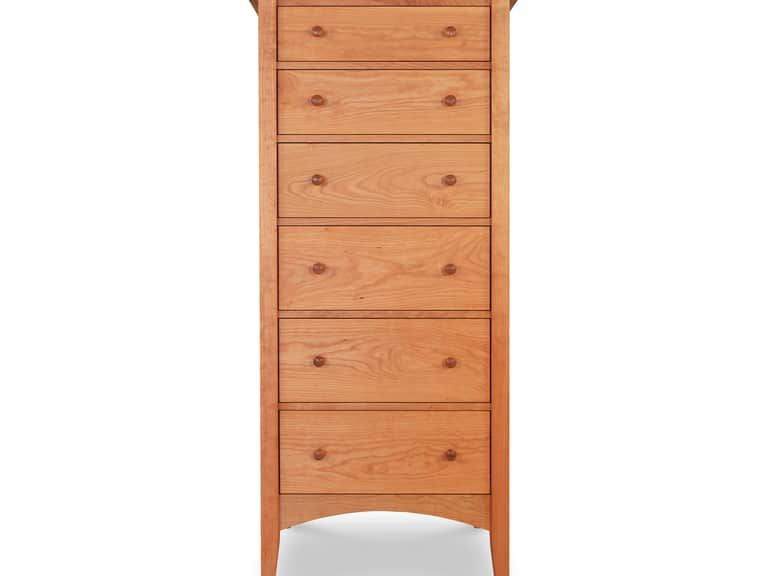
Cherry starts warm and deepens richly with age. It’s famous for aging gracefully and developing a beautiful patina. Ideal for bedroom furniture and fine storage, cherry can be a long-term investment that becomes more captivating over time.
Durability: High • Workability: Moderate-High • Aesthetic: Warm, amber-to-brown tones
Oak
Oak is a classic workhorse—sturdy, with pronounced grain that adds texture and character. It accepts a variety of finishes and is a trusty choice for dining tables, dressers, and shelving units that see daily use.
Durability: Very High • Workability: Moderate • Aesthetic: Rustic to refined depending on finish
Practical Factors for Beginners: Climate, Use, and Finishes
- climate and humidity: Wood expands and contracts with moisture. In drier environments, finishes help stabilize movement, while in humid settings, thicker, stable finishes and proper acclimation during installation protect the piece.
- use-case alignment: For frequently used surfaces like dining tables, select harder woods and robust finishes. For accent pieces, you might enjoy more tactile grains or lighter woods that are easier to work with.
- finishes and maintenance: Oil finishes highlight natural grain and warmth but may require periodic reapplication. Polyurethane or hard wax oils offer durable protection with different looks. Always test finishes on a scrap piece to understand color and sheen before applying to a full panel.
A Look at Two Notable Makers: Vermont’s Artistry in Wood
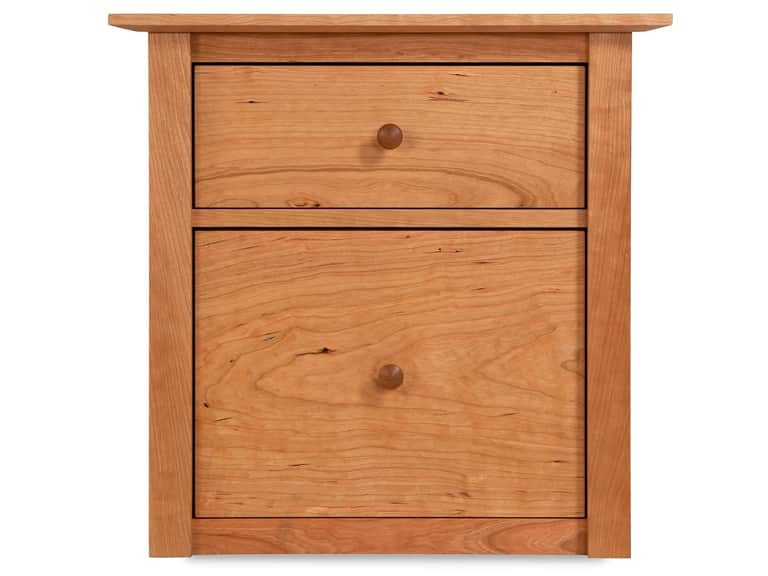
Two time-honored brands illustrate how wood choice and finish inform a piece’s character. Vermont Furniture Designs is known for American Shaker-inspired silhouettes that honor traditional craftsmanship while embracing modern durability. Their American Shaker File Cabinet and Modern American Sideboard are small but telling examples of how clean lines and solid woods translate into lasting utility. Cisco Home, with their FSC-certified woods and Inside Green initiatives, demonstrates how sustainable practices can coexist with refined aesthetics in contemporary living spaces. These brands embody a philosophy where the wood’s natural story is a central attribute of the furniture’s identity.
Key Individuals Across Time Periods
Aristide Lignano (c. 1st century BCE) — A fictional name to illustrate early woodworking lineage. While not a historical figure, imagine a master whose precise joinery and understanding of timber movement set a baseline for durable, timeless furniture. His approach to hand-cut mortise-and-tenon joints exemplifies how fundamental techniques endure across centuries.
Isabella de la Rovere (c. 1500s) — A symbolic nod to the rise of cabinetmaking guilds in Europe. Imagine a master cabinetmaker who refined the art of proportion and fit, turning rough timbers into serene furniture with a disciplined eye for grain alignment and hidden joinery. Her workshop would have celebrated the marriage of artistry and architecture in everyday pieces.
Patrick O’Connell (b. 1960s) — A contemporary craftsman embodying sustainable ethos. Patrick’s work with FSC-certified woods and water-based finishes echoes the modern demand for responsible sourcing. He demonstrates how modern designers translate classic techniques into functional pieces that fit today’s homes, echoing Vermont’s tradition of durable, honest furniture.
Unknown but influential “Crafters” in Vermont — A nod to countless unnamed artisans whose meticulous handwork and attention to detail underpin the region’s reputation for solid wood furniture. These makers prove that the best furniture is often the result of patient, small-batch craftsmanship and a culture that values material integrity.
A Practical Starter: The Modern American Sideboard (4300)
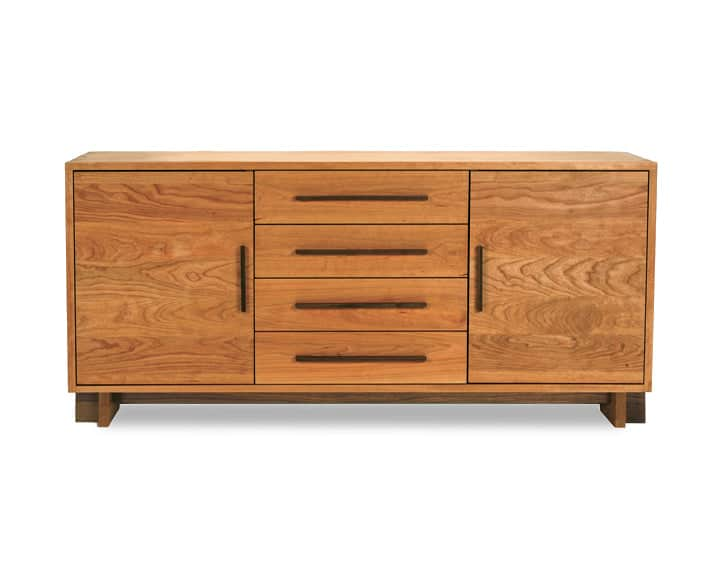
A concrete example of wood choice in action is the Modern American Sideboard by Vermont Furniture Designs. Crafted from solid walnut with an eco-friendly oil finish, this piece embodies durable construction, timeless lines, and a design that can anchor a dining room for generations. The sideboard’s Art Deco flair demonstrates how grain, tone, and finish collaborate to create a statement piece that remains versatile and resilient over decades.
For readers ready to dip their toes into wood selection, consider starting with a sturdy, visually forgiving piece like a walnut sideboard. It can serve as a project reference for finishes, grain direction, and the balance between function and form. The key takeaway: choose a wood that resonates with your room’s lighting, complements existing hardware, and breathes life into your daily routines.
Glossary: Furniture Wood Terms in Plain Language
- Acclimation: Allowing wood to adjust to room humidity before installation to minimize warping.
- Grain: The visible lines in wood that reveal its growth pattern; choosing matching grain direction affects aesthetics and seam alignment.
- Joint: The method by which pieces connect—mortise-and-tenon, dovetail, dowel, etc.—each impacting durability and appearance.
- Oil Finish: A penetrating finish that enhances color and grain while offering a natural feel; requires periodic reapplication.
- Hardwood vs Softwood: A general distinction that guides durability and workability for beginners.
Starter Project: Build a Simple Alder-Top Coffee Table
Note: This is a conceptual project outline for educational purposes. If you want printable cut sheets or detailed plans, I can provide a starter set.
- Choose a hardwood with forgiving grain, such as maple or ash, for the tabletop and clear-finish hardware.
- Use mortise-and-tenon joints for the legs to ensure stability under daily use.
- Finish with a durable oil or polyurethane that suits your climate and maintenance preferences.
- Acclimate wood to your space for a few days before assembly, and work with a steady hand to maintain straight edges.
Conclusion: A Thoughtful Path for Beginners
Choosing wood for furniture is a rite of passage from curiosity to confident craftsmanship. By understanding hardwoods and softwoods, appreciating grain and finish, and aligning wood choice with climate and use, beginners can approach furniture projects with a clear, practical framework. The narrative of wood is a story of patience, skill, and a respect for material that lasts. It’s a story that brands like Vermont Furniture Designs and Cisco Home help you live, one piece at a time.
If you’d like, I can develop a 12-week starter content calendar expanding Direction A into tutorials, glossaries, and project plans, tailored to abcfurnitures.com’s beginner-friendly education mission. I can also offer a brand tagline, and a simple, memorable site navigation to guide readers on their learning journey.
Featured Product Highlight
Modern American Sideboard
Solid walnut with an eco-friendly oil finish. Clean lines with Art Deco flair, built to last for generations. A versatile storage focal point for dining rooms or lounges.
Brand: Vermont Furniture Designs • Price: 5330.00
Dimensions: Customizable; speak to your space.
Note: This product is used here as an instructional example of wood choice and finish in action.
Further Reading and Resources
For readers who want deeper dives, consider exploring woodworking glossaries, beginner-friendly project plans, and materials guides that align with a “Beginner Series” concept. The aim is to empower readers to make informed, confident choices while enjoying the process of building and caring for furniture.